Threading or waxing: which one your brows actually want
They are not interchangeable. One removes hair, the other removes a layer of skin with it — and that difference decides what your brows look like in five years.
· 5 min read
Every week someone sits down and says their brows have stopped growing back. Almost always, the story that follows involves years of wax.
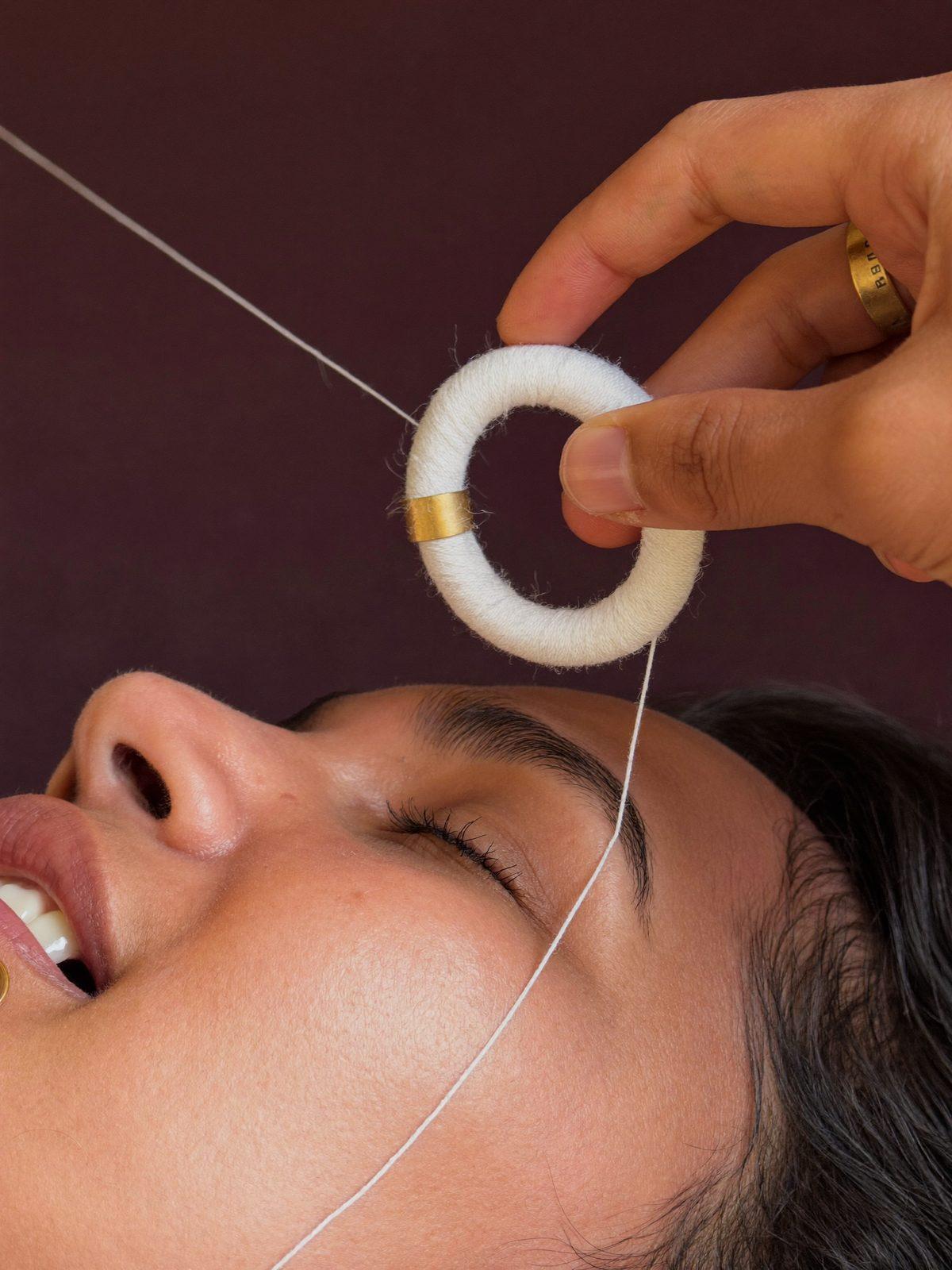
Wax bonds to the top layer of skin as well as the hair. Lifted repeatedly over the same follicle, that trauma is what thins a brow permanently. Threading grips the hair at the base and lifts it out of the follicle without touching skin, which is why it suits anyone on retinoids, anyone with rosacea, and anyone who would like to still have brows at fifty.
Threading is also more precise. A thread can take a single hair. Wax takes a strip, which means the shape is decided by where the esthetician places the strip rather than where the hair should end.
The trade-off is honest: threading takes a little longer, and the first appointment stings more than wax if you are new to it. That fades by the third visit as the follicles adjust to a regular cycle.
What we recommend: threading for brows, upper lip, chin and any facial hair. Hard wax for underarms, legs and bikini, where speed matters more and the skin is less delicate.
If your brows have been over-waxed, come in anyway. A tint and a lamination will read as fuller while regrowth catches up, and we will map a shape that works with what you have now rather than what you had in 2015.
Written by the team at Chic Beauty, Hanover Park. Questions about your own brows or skin? Ask us directly — we answer every message.